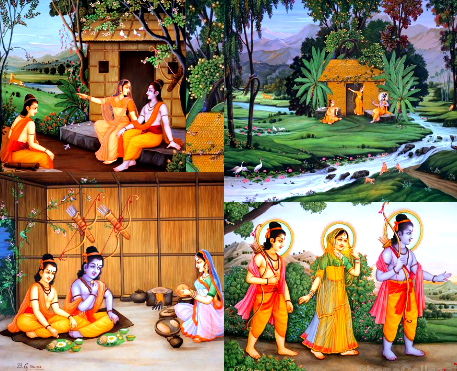
यत्क्रौञ्चमिथुनादेकमवधीः काममोहितम् – the shloka used by Mahrishi Valmiki to initiate writing the legend of Ramayana, making this itihas an eternal part of our values and traditions. This shloka means that a pair of krounchas (heron) were separated with the male bird being killed by the hunter because of his desire, desire to hunt innocent animals and birds for pleasure and business purposes. ‘Desire’ was the core and prime reason for the whole Ramayana. Maa Kaikeyi expressed her desire to make his son ‘Bharata’ the Maharaja of Ayodhya Saamrajya and asked Shri Rama to go into exile for 14 years away from their kingdom. For the sake of his father’s (Maharaja Dasharatha’s) promise that he made to Kaikeyi, Shri Rama left for vanvaas and that’s how we got our ‘Maryada Purushottam’.
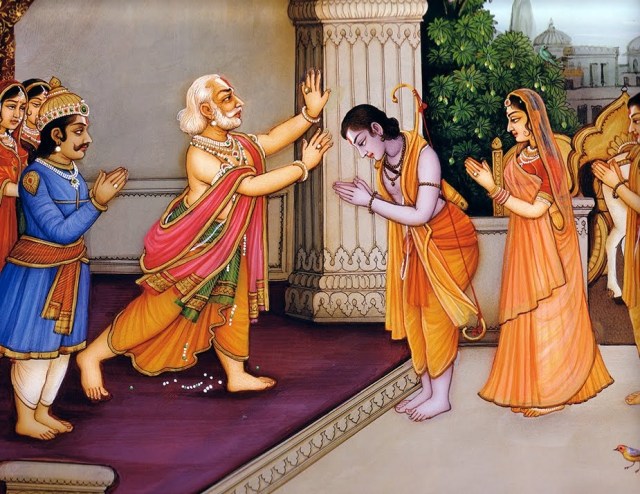
Ayodhya, Uttar Pradesh
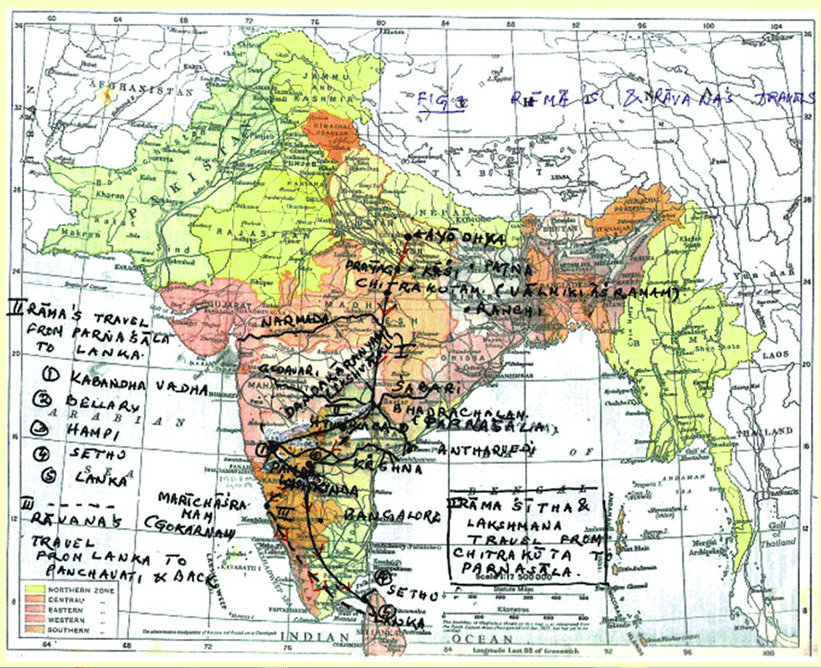
Shri Rama was accompanied by his wife Sita Devi, daughter of Maharaja Janaka of Janakapuri, Mithila, Nepal. This was the reason she was often called ‘Janaki’ or ‘Maithili’. He was also accompanied by his younger brother, Lakshmana who left behind all the luxuries of the kingdom for the respect and love towards his elder brother. They initiated their exile from Ayodhya situated on the southern banks of river Saryu where Shri Rama is worshipped as ‘Ramlala’, the reason being his childhood was spent over here. They first reached the Nishad Saamrajya on the banks of river Ganga (Maa Ganga), whose ruler was Nishadraj Guha. He was the childhood friend of Shri Rama during his Gurukul learning period at Mahrishi Vashisht’s Ashram. He ferried the three to the southern bank of Ganga, at Shri Rama’s request, in his boat.
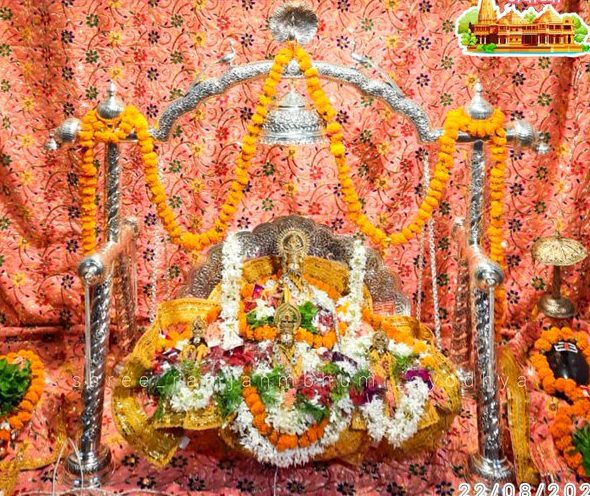
Prayag, Uttar Pradesh
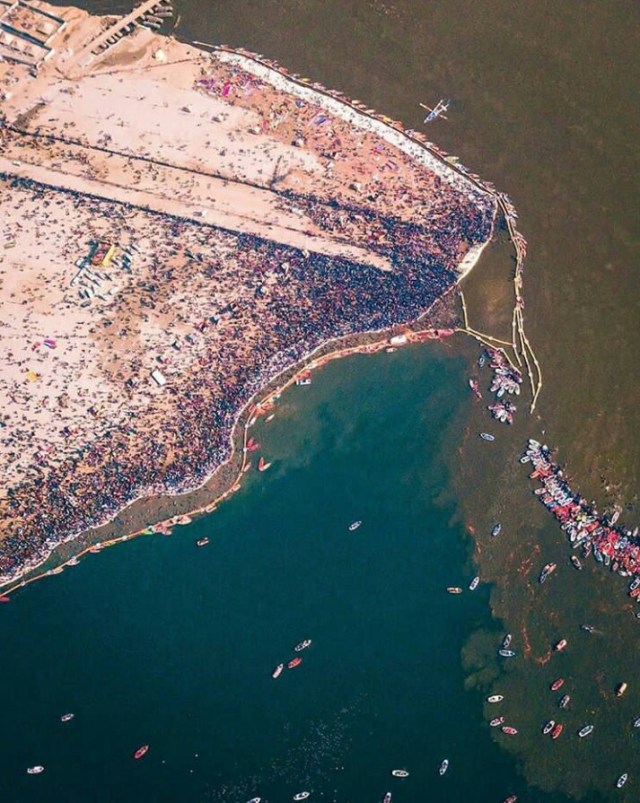
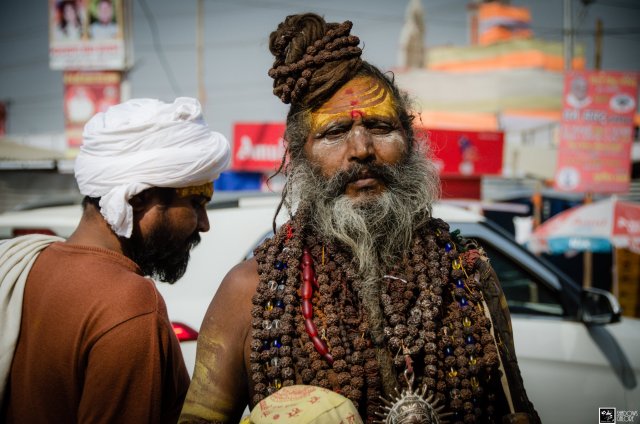
On crossing the river Ganga, the three reached the Triveni Sangam at Prayag (present-day Prayagraj) where the three holy rivers Ganga, Yamuna and, Saraswati meets. Kumbh Mela is organised at this place after every 12 years. Bharadwaj Rishi met them at this place and advised them to go to Chitrakuta situated on the other side of the river Yamuna. They covered a distance of about 50kms on a raft and by walking to have a peaceful stay at Chitrakuta.